

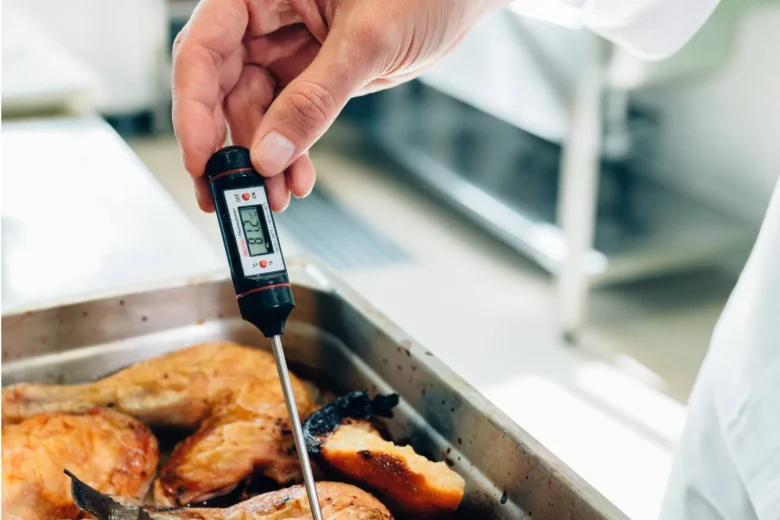
Great ingredients often receive the spotlight in cooking conversations. Fresh vegetables, premium meats, and high-quality spices are commonly credited for great flavor. Yet professional chefs repeatedly emphasize a different factor: temperature control.
Whether you are sautéing vegetables, baking bread, or searing steak, the way heat interacts with food determines texture, flavor development, and overall quality. Even the finest ingredients can produce disappointing results if temperature is poorly managed.
Understanding temperature is therefore not just a technical skill—it is one of the most important foundations of successful cooking.
The Science Behind Heat and Food
Cooking is essentially a series of chemical reactions triggered by heat. When food reaches specific temperatures, its molecules begin to change structure, creating new flavors, aromas, and textures.
Some key processes influenced by temperature include:
- Maillard reaction: Browning that creates deep savory flavors in meats and baked goods
- Caramelization: Sugar breaking down under heat to produce sweetness and color
- Protein denaturation: Structural change in proteins that firms up eggs, fish, and meat
- Starch gelatinization: Process that thickens sauces and softens grains
Each reaction happens only within certain temperature ranges. If the heat is too low, these reactions won’t occur properly. If it is too high, food burns before flavors can develop.
Because of this, precise heat control directly determines the final taste and texture of a dish.
Why Ingredients Alone Are Not Enough
High-quality ingredients certainly improve a recipe, but they cannot compensate for poor temperature management.
Consider these examples:
- Overcooked steak: Even premium beef becomes dry and tough when cooked too hot or too long.
- Burnt garlic: Fresh garlic quickly turns bitter if exposed to excessive heat.
- Dense bread: Good flour still produces heavy bread when the oven temperature is incorrect.
- Scrambled eggs: Organic eggs lose their creamy texture if cooked over high heat.
In each situation, the ingredient itself is excellent. The problem lies in how the heat was applied.
This is why professional kitchens focus heavily on temperature monitoring rather than just ingredient sourcing.
Temperature Controls Texture
Texture is one of the most noticeable aspects of food quality. Heat determines whether something becomes tender, crispy, fluffy, or rubbery.
For example:
- Low heat cooking keeps proteins gentle and soft, ideal for eggs and custards
- Medium heat helps vegetables soften while preserving structure
- High heat creates crisp surfaces and browning on meats
Improper temperature can easily ruin texture:
- Fish becomes dry when overcooked
- Chocolate seizes if overheated
- Pasta turns mushy if boiled incorrectly
Learning to adjust heat levels during cooking is therefore essential for consistent results.
Flavor Development Depends on Heat
Flavor doesn’t come only from ingredients—it develops through controlled heat reactions.
Certain flavors emerge only when food reaches specific temperatures:
- Searing meat creates a flavorful crust through browning reactions
- Roasting vegetables intensifies natural sugars
- Toasting spices releases aromatic oils
If the heat is too low, these transformations never happen. If it is too high, delicate flavors burn and become bitter.
Balanced temperature allows ingredients to express their full flavor potential.
Food Safety Relies on Proper Temperature
Temperature control is also critical for preventing foodborne illness. Harmful bacteria grow rapidly when food remains in unsafe temperature ranges.
Key safety principles include:
- Cooking meat to safe internal temperatures
- Keeping hot foods above 60°C (140°F)
- Refrigerating perishables below 4°C (40°F)
- Avoiding the “danger zone” where bacteria multiply quickly
Restaurants and professional kitchens rely on thermometers and strict heat guidelines to maintain safety standards.
Without proper temperature management, even fresh ingredients can become unsafe.
Professional Chefs Prioritize Temperature
Experienced chefs rarely rely on guesswork. Instead, they pay close attention to:
- Pan temperature before adding ingredients
- Oven calibration during baking
- Internal temperatures of meats
- Cooling and storage temperatures
Many professionals use tools such as:
- Instant-read thermometers
- Infrared surface thermometers
- Temperature-controlled ovens and sous-vide machines
These tools ensure precision and consistency, two qualities essential for restaurant-quality cooking.
Practical Tips for Better Temperature Control
Improving temperature awareness can dramatically elevate home cooking.
Try these simple techniques:
Preheat properly
- Allow pans and ovens to reach the correct temperature before cooking.
Use a thermometer
- It eliminates guesswork when cooking meats or baking bread.
Adjust heat gradually
- Sudden temperature changes can burn or undercook food.
Understand your stove
- Every burner distributes heat differently.
Rest food after cooking
- Residual heat continues cooking the interior.
These habits help ensure that food cooks evenly and develops its intended flavor and texture.
Conclusion
Ingredients play an important role in cooking, but temperature control is what unlocks their potential. Heat governs chemical reactions, shapes texture, builds flavor, and ensures food safety.
A skilled cook understands how to apply the right level of heat at the right moment. When temperature is controlled properly, even simple ingredients can produce extraordinary dishes.
Mastering temperature is therefore not just a technical detail—it is one of the most powerful skills in the kitchen.
Frequently Asked Questions (FAQs)
1. Why is temperature control important in cooking?
Temperature determines how food cooks, affecting flavor, texture, and safety. Proper heat allows chemical reactions like browning and caramelization to occur correctly.
2. Can good ingredients make up for poor temperature control?
Not really. Even premium ingredients can turn dry, burnt, or flavorless if cooked at the wrong temperature.
3. What tool helps monitor cooking temperature accurately?
A digital food thermometer is the most reliable tool for checking internal temperatures and avoiding overcooking.
4. What happens if food is cooked at too low a temperature?
Low temperatures may prevent browning and flavor development, often resulting in bland or undercooked food.
5. Why do chefs preheat pans and ovens?
Preheating ensures the cooking surface reaches the correct temperature so ingredients cook evenly and develop proper texture.
6. How does temperature affect meat texture?
Too much heat can make meat tough and dry, while controlled heat allows proteins to cook evenly and remain juicy.
7. Is temperature control important for baking?
Yes. Baking relies heavily on precise temperatures because reactions involving yeast, sugar, and starch occur within specific heat ranges.