

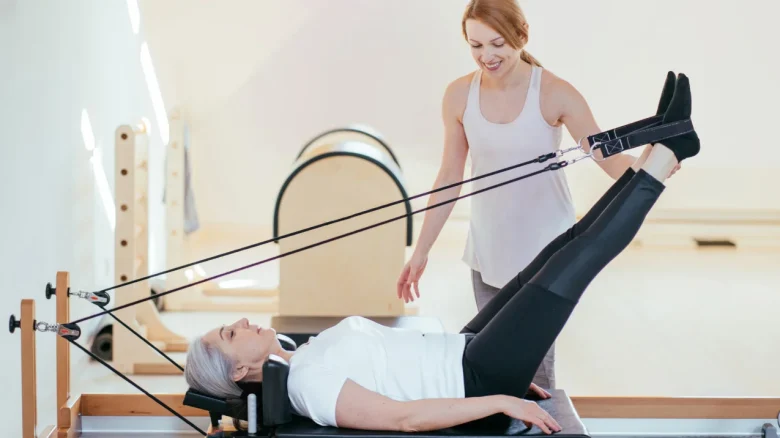
Food choices shape how the body moves, recovers, and adapts to physical training. For adults practising structured movement disciplines, nutrition is not about dieting or appearance but about consistency, tissue quality, and sustained energy. This is especially relevant for those engaging in pilates reformer training, where controlled resistance, precision, and endurance demand a stable internal environment.
In Singapore, eating patterns are influenced by climate, work culture, and convenience. These factors quietly affect how the body responds during reformer sessions and how well it recovers afterwards.
Why Reformer Pilates Responds Differently to Nutrition
Reformer Pilates relies on slow, continuous muscle engagement rather than explosive effort. This places unique demands on energy availability, hydration, and tissue recovery.
Unlike high-impact workouts, reformer sessions expose nutritional imbalances through:
- Early muscular fatigue without breathlessness
- Reduced control during slow transitions
- Cramping or joint discomfort despite proper technique
- Feeling drained even after moderate sessions
These signals often point to nutritional timing or composition rather than physical conditioning.
Energy Stability and Controlled Movement
Controlled resistance requires steady energy release. Diets that rely heavily on refined carbohydrates or irregular meals can cause fluctuating blood sugar levels, which negatively affect coordination and focus.
Common patterns that disrupt reformer performance include:
- Skipping meals before sessions
- Relying on sugary snacks for quick energy
- Long gaps between meals during workdays
- Overeating heavy meals too close to training
Stable energy supports smoother movement, better control, and reduced perceived effort.
Meal Timing Around Reformer Sessions
Reformer Pilates benefits from thoughtful meal timing rather than rigid rules. The goal is to provide enough fuel without creating digestive discomfort.
Practical timing considerations include:
- Light meals one and a half to two hours before class
- Balanced snacks when training after long workdays
- Avoiding large, high-fat meals immediately before sessions
- Allowing digestion to support rather than distract movement
Well-timed meals help maintain focus and prevent energy dips during slower sequences.
Protein Intake and Tissue Adaptation
Although reformer Pilates is low-impact, it still places meaningful demand on muscles and connective tissue. Adequate protein intake supports repair and adaptation, particularly for adults training multiple times per week.
Insufficient protein can lead to:
- Prolonged soreness
- Reduced strength progression
- Feeling weaker despite consistent practice
- Slower recovery between sessions
Protein intake spread evenly across meals tends to support more consistent tissue maintenance than relying on one high-protein meal.
Hydration in a Warm, Humid Climate
Singapore’s climate increases fluid loss, even during indoor training. Mild dehydration affects joint lubrication, muscle responsiveness, and focus.
Signs of inadequate hydration during reformer Pilates include:
- Stiffness early in sessions
- Reduced range of movement
- Difficulty maintaining controlled breathing
- Faster onset of fatigue
Consistent hydration throughout the day is more effective than drinking large amounts just before class.
Sodium Balance and Muscle Control
Sodium intake influences fluid balance and nerve signalling. Both excessive restriction and excessive intake can affect muscle control.
Balanced sodium supports:
- Smooth muscle contraction
- Reduced cramping
- Stable energy levels
- Better tolerance to sustained effort
For individuals training regularly, maintaining balance rather than elimination is key.
Common Singapore Eating Habits and Their Impact
Busy schedules and convenient food options shape local eating behaviour. While convenient, some habits can subtly undermine movement quality.
Examples include:
- High reliance on processed foods
- Late-night meals affecting morning training
- Inconsistent meal timing due to meetings
- Frequent caffeine intake replacing proper meals
Awareness of these patterns allows small adjustments that significantly improve training experience.
Inflammation and Recovery Between Sessions
Recovery quality determines how well the body adapts to reformer training. Chronic low-grade inflammation can reduce mobility and increase stiffness.
Factors that may influence inflammation include:
- Excessive intake of highly processed foods
- Poor sleep combined with irregular meals
- Dehydration during the workday
- Inconsistent nutrient intake
Supporting recovery does not require extreme dietary changes but consistent, balanced eating habits.
Supporting Connective Tissue Through Nutrition
Reformer Pilates places emphasis on controlled lengthening and resistance, which relies heavily on connective tissue integrity.
Nutritional support for connective tissue includes:
- Adequate micronutrient intake
- Sufficient hydration
- Balanced protein consumption
- Regular meal timing
These factors help maintain tissue elasticity and resilience over time.
Eating for Focus and Body Awareness
Reformer Pilates requires mental presence. Heavy meals, excessive sugar, or insufficient fuel can affect concentration and body awareness.
Balanced nutrition supports:
- Improved movement precision
- Better breath control
- Reduced distraction during sessions
- Greater connection between effort and awareness
This mental clarity enhances overall training quality.
Nutrition as Part of a Sustainable Practice
Reformer Pilates is often practised long-term. Sustainable eating habits support consistency without creating stress or restriction.
Studios such as Yoga Edition encourage a holistic view of movement, where nutrition complements practice rather than complicates it.
Long-term success comes from:
- Consistency rather than perfection
- Awareness rather than rigid rules
- Supporting recovery as much as performance
Real-Life FAQs
Q: Should I eat before a reformer Pilates session?
A: Most people benefit from light nourishment before class, especially if there is a long gap since the previous meal.
Q: Can training on an empty stomach affect reformer performance?
A: It may reduce control and energy levels, particularly during slower, strength-based sequences.
Q: Is hydration really important for low-impact training?
A: Yes. Even low-impact movement relies on fluid balance for joint comfort and muscle responsiveness.
Q: Do I need to change my entire diet to support reformer Pilates?
A: No. Small adjustments in timing, hydration, and balance often make a noticeable difference.
Q: Can nutrition influence stiffness after reformer sessions?
A: Yes. Inadequate hydration or recovery nutrition can contribute to lingering stiffness.