

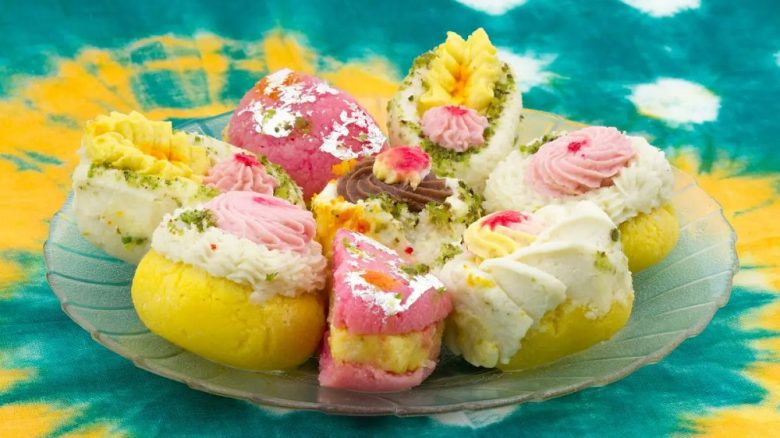
West Bengal is famous for its diverse assortment of sweets. Each sweet originates from a different district and has a fascinating history. For example, the sitabhog sweet was made to welcome Lord Curzon to Bardhaman in the 1900s.
Furthermore, these sweets are quite easy to make at home, as their recipes include simple ingredients like paneer (chana), milk and a few other items. Discover more about these Bengali sweet recipes and a little bit of their history in the blog.
Famous Bengali Sweet Recipes You Can Make At Home
Chanar Payesh
Chanar payesh is traditionally prepared with paneer (or chana) and is served during special occasions. It can be considered a cousin of kheer or rice pudding.
Chanar Payesh Making Recipe
- Prepare fresh homemade paneer or chana, shape it into small balls by hand, and boil it in a pot for 5-10 minutes.
- In another pan, reduce the full-fat milk with cardamom and sugar.
- Transfer the chana balls to the reduced milk mixture and cook together on a low flame. Once the mixture thickens and becomes aromatic, turn off the flame.
- Let the chanar payesh cool down for sometime, and then serve.
Sita Bhog
This sweet has a special connection to Bardhaman in West Bengal. The King commissioned his sweet makers to prepare sitabhog and another famous sweet, the mihirdana, to welcome Lord Curzon, who was then the reigning Viceroy.
Sitabhog Making Recipe
- Prepare the sugar syrup by boiling water and sugar together until the sugar dissolves completely. Continue cooking until the syrup mixture becomes slightly sticky, and then add cardamom powder.
- Knead fresh homemade or store-bought chana until it is smooth.
- Knead the rice flour into the chana until you obtain a soft dough. Then use a perforated ladle to press the chana-and-rice dough mixture into strands. Transfer the strands to a ghee-filled pan over medium heat.
- Fry the chana and rice flour dough strands until they form rice grain-like shapes and begin to turn dark.
- Then remove the sitabhog strands from the ghee-filled pan and transfer them to the sugar syrup pan.
- Prepare Nikhuti by mixing maida and chana with a pinch of baking soda, and keep kneading until fully smooth. Roll this mixture into small balls with both hands and fry them until light golden.
- Transfer the Nikhuti to the sugar syrup and let the whole mixture rest before serving.
Pantua
This paneer and semolina-based sweet is sometimes confused with gulab jamuns because of its appearance.
However, they differ in taste and size. For example, jamuns have a lighter taste, while pantua has a more caramelized taste. Similarly, jamuns are bigger, while pantuas are smaller.
Pantua Making Recipe
- Prepare the dough by mixing semolina, chenna, cardamom and a pinch of flour.
- Shape this dough by hand into small balls.
- Deep-fry the balls until golden brown, then transfer them to a sugar syrup-filled bowl or kadhai.
- After they have absorbed enough syrup, plate and serve them.
Rosogolla
Rosogolla is a famous sweet that is almost synonymous with West Bengal. Its familiar chana-white appearance and chewy, syrup-rich texture evoke fond memories for almost everyone because of its association with special occasions and festival celebrations.
Rosogolla Making Recipe
- Boil milk in a pan. Once it boils, squeeze in a few drops of lemon juice to curdle the milk.
- Add some cold water to this milk, strain the whey and separate the chana.
- Knead the chana by hand into a smooth dough, then use both hands to form it into small balls. After making them, press them firmly from the sides to ensure that they don’t crumble later.
- Make the chashni or sugar syrup in a separate pan by mixing sugar and water as required. Keep stirring continuously to prevent the sugar from sticking to the pan’s base.
- Transfer the prepared chana balls to the pan with sugar syrup, and boil them until they double in size.
- Let the boiled chana balls cool for some time, and serve them on a plate.
Conclusion
Traditional Bengali sweet recipes like those of sitabhogs, rosogollas and more are quite easy to master. Making and eating these sweets at home with your loved ones will let all of you enjoy the rich culture and history of West Bengal in every bite.