

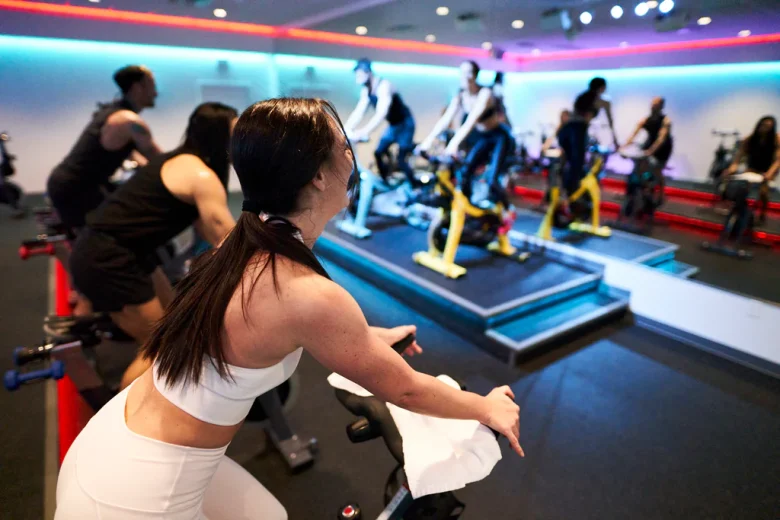
Nutrition plays a defining role in how the body responds to exercise, especially for high-effort, rhythm-based workouts like indoor cycling. Many people in Singapore attend spin sessions regularly yet struggle with low energy, dizziness, poor recovery, or stalled progress, not because of training quality, but because of poor fuelling strategy. When done correctly, food timing around an indoor spin class can dramatically improve stamina, fat utilisation, muscle recovery, and even hormonal balance.
This is not about strict dieting or extreme meal plans. It is about understanding how the body uses fuel before, during, and after high-resistance cycling, and aligning meals with physiological demand.
Why Fuel Timing Matters More Than Calories
Calories alone do not determine performance or results. What matters is when and how nutrients are consumed relative to training. Spin classes combine endurance, resistance, and interval stress, which places specific demands on glycogen stores, electrolytes, and muscle tissue.
Poor timing often leads to:
- Early fatigue during class
- Light-headedness or nausea
- Poor resistance tolerance
- Excessive post-workout hunger
- Inconsistent recovery
Proper fuel timing ensures the body has access to usable energy when it needs it most.
Understanding Energy Demand During Spin Classes
Indoor cycling primarily relies on carbohydrates for fuel, especially during climbs and interval segments. Fat contributes as well, but high-resistance efforts demand readily available glucose.
Energy systems involved include:
- Aerobic metabolism during steady rides
- Anaerobic glycolysis during sprints and climbs
- Muscle glycogen usage throughout the session
This makes pre- and post-class nutrition critical for sustained performance.
What to Eat Before an Indoor Spin Class
The goal of pre-class nutrition is to provide easily digestible energy without causing stomach discomfort. Timing is just as important as food choice.
60 to 90 Minutes Before Class
This is the ideal window for most participants.
Recommended options:
- Oats with banana slices
- Wholegrain toast with peanut butter
- Brown rice with a small portion of lean protein
- Yogurt with fruit
- A simple sandwich with egg or chicken
These meals provide slow-releasing carbohydrates that support sustained energy.
30 to 45 Minutes Before Class
For those training early mornings or short on time, lighter options work better.
Suitable choices:
- A banana
- A small smoothie
- Dates or raisins
- Low-fat milk
Avoid heavy fats or large protein portions close to class, as they slow digestion.
Foods to Avoid Before Spin Sessions
Certain foods increase the risk of discomfort or energy crashes.
Avoid:
- Fried or oily foods
- Large portions of cheese
- Excessively spicy meals
- Sugary desserts without fibre
- Alcohol within 24 hours of training
These can interfere with digestion and hydration.
Hydration and Electrolyte Balance
Spin classes cause significant sweat loss, even in air-conditioned studios. Dehydration reduces performance and increases perceived effort.
Hydration guidelines:
- Drink water throughout the day, not just before class
- Consume 300 to 500 ml of water in the hour before training
- Add electrolytes if sweating heavily
- Avoid excessive caffeine before class
Electrolytes such as sodium and potassium help maintain muscle contraction and nerve signalling.
Nutrition During Longer or Intense Spin Sessions
Most standard spin classes do not require mid-session nutrition. However, advanced riders or extended sessions may benefit from simple fuel sources.
Options include:
- Water with electrolytes
- Diluted fruit juice
- Small sips rather than large gulps
The goal is to maintain hydration and prevent energy dips without digestive strain.
Post-Spin Nutrition for Recovery and Results
What you eat after class determines how well your body recovers and adapts. This phase is crucial for muscle repair, glycogen replenishment, and hormonal balance.
The First 30 to 60 Minutes After Class
This is the prime recovery window.
Focus on:
- Carbohydrates to replenish glycogen
- Protein to support muscle repair
- Fluids to replace sweat loss
Balanced options include:
- Rice with grilled chicken or tofu
- Eggs with wholegrain toast
- Smoothie with fruit and protein
- Yogurt with nuts and honey
- Lentils with vegetables and rice
Avoid skipping meals after training, even if weight loss is a goal.
Protein Needs for Spin Training
While spin classes are cardio-focused, resistance and standing segments place real demand on muscles.
Protein supports:
- Muscle recovery
- Reduced soreness
- Maintenance of lean mass
- Improved metabolic health
Aim for a moderate protein intake spread across meals rather than large single servings.
Managing Fat Loss Without Underfueling
Many people attend spin classes to lose fat. However, underfueling often backfires by increasing stress hormones and slowing metabolism.
Smart strategies include:
- Eating enough before training to perform well
- Prioritising nutrient-dense foods
- Avoiding extreme calorie restriction
- Supporting recovery to maintain consistency
Fat loss occurs through sustainable habits, not constant hunger.
Local Food Choices That Work in Singapore
Practical nutrition should fit local lifestyles and food availability.
Good local options include:
- Brown rice and mixed vegetables
- Fish soup with rice
- Dhal with chapati
- Chicken rice with controlled portions
- Fruit bowls with yogurt
Consistency matters more than perfection.
Timing Spin Classes Around Daily Meals
Scheduling matters, especially for working professionals.
Tips include:
- Morning classes work well with light pre-fuel and full breakfast after
- Evening classes benefit from balanced lunch and light pre-class snack
- Avoid training on a completely empty stomach if intensity is high
Aligning meals with training improves energy and recovery.
The Role of Structured Training and Nutrition Awareness
A structured training environment encourages better nutrition habits by promoting consistency and awareness.
Many members training at TFX Fitness find that guided programming helps them better understand how fuelling affects performance, recovery, and long-term progress, making nutrition a supportive tool rather than a restriction.
Common Nutrition Mistakes Among Spin Participants
Avoid these frequent errors:
- Training fasted for high-intensity classes
- Skipping post-workout meals
- Over-relying on supplements instead of food
- Drinking too little water
- Treating spin sessions as justification for junk food
Balanced habits produce better results.
Long-Term Benefits of Proper Fuel Timing
When nutrition aligns with training:
- Energy levels stabilise
- Performance improves
- Recovery accelerates
- Hormonal balance is supported
- Fat loss becomes sustainable
These benefits accumulate over time.
FAQ
Q: Can I attend an indoor spin class on an empty stomach?
A: Light sessions may be manageable, but high-resistance classes are better supported with some pre-class fuel to avoid fatigue and dizziness.
Q: Is it okay to eat immediately after spin training?
A: Yes. Eating within an hour supports recovery and reduces excessive hunger later in the day.
Q: Do I need protein shakes after spin classes?
A: Not necessarily. Whole foods provide sufficient protein for most people when meals are balanced.
Q: How much water should I drink after a spin class?
A: Replace fluids gradually. Aim for clear or pale yellow urine as a hydration indicator.
Q: Can better nutrition improve my spin performance?
A: Absolutely. Proper fuel timing enhances stamina, resistance tolerance, and recovery.