

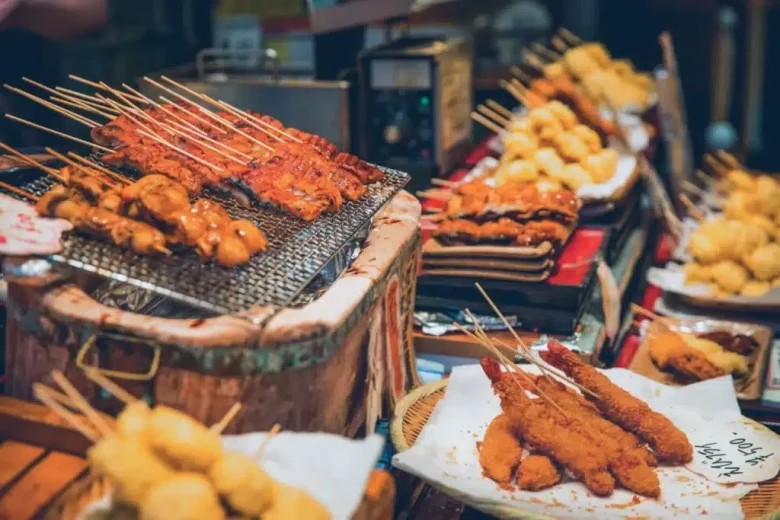
Street food has an undeniable charm that transcends borders. From sizzling grills on bustling sidewalks to colorful carts tucked into busy markets, street food reflects the heart of local culture. Whether it’s a quick snack or a full meal enjoyed outdoors, these dishes bring people together and showcase authentic flavors that often define a region.
Across continents and cultures, street food has become more than just convenient eating—it’s a vibrant culinary experience. The blend of affordability, authenticity, and social connection makes street food one of the most beloved aspects of global cuisine.
The Cultural Connection Behind Street Food
Street food is deeply tied to the traditions and daily lives of communities. Many recipes passed down through generations are prepared and sold on streets rather than in formal restaurants.
Local vendors often preserve traditional cooking methods and regional ingredients. This creates a direct link between food and cultural identity.
Key cultural aspects reflected through street food include:
- Traditional recipes handed down through families
- Regional ingredients unique to specific locations
- Cooking techniques that reflect historical practices
- Festive and community gatherings centered around food
For travelers, trying street food is one of the easiest ways to experience authentic local culture.
Affordability and Accessibility
Another major reason street food is loved worldwide is its accessibility. Unlike restaurants, street vendors usually operate with minimal overhead costs, allowing them to offer delicious meals at affordable prices.
Benefits of street food accessibility include:
- Budget-friendly meals for locals and travelers
- Quick preparation for people on the go
- Convenient locations in markets, streets, and transit hubs
- Freshly cooked meals often prepared in front of customers
This affordability makes street food a daily staple for millions of people around the world.
Authentic Flavors You Can’t Find Anywhere Else
Street food often delivers bold and authentic flavors that are difficult to replicate in formal dining environments. Many dishes are prepared using traditional spices, marinades, and cooking techniques.
Common flavor characteristics include:
- Strong seasoning and spices
- Fresh ingredients
- Charred or grilled aromas
- Handmade preparation methods
Because vendors focus on a small number of dishes, they often perfect those recipes over time, creating signature flavors that become famous in their communities.
Street Food as a Social Experience
Eating street food is rarely just about the food itself. The environment plays a huge role in the experience.
Bustling markets, lively conversations, and shared tables create a welcoming atmosphere. People from different backgrounds often gather around food stalls, making street food a natural social connector.
Street food culture encourages:
- Casual interactions between strangers
- Shared dining spaces
- Community engagement
- Cultural exchange between locals and visitors
This social element turns a simple meal into a memorable experience.
The Creativity and Innovation of Street Vendors
Street vendors constantly adapt their menus to attract customers. This encourages creativity and innovation in street food culture.
Many globally popular dishes began as simple street foods before gaining worldwide recognition.
Examples of creative street food practices include:
- Fusion dishes combining multiple cuisines
- Unique toppings and sauces
- Seasonal ingredients and limited-time dishes
- Modern twists on traditional recipes
These innovations help street food evolve while still honoring its roots.
Street Food Reflects Everyday Life
Street food often mirrors the rhythm of everyday life in a city. Morning vendors serve breakfast items for commuters, afternoon stalls provide quick lunches, and night markets become lively social hubs.
Street food tells a story about how people live, work, and connect within a community. Observing what people eat on the street offers insight into a region’s lifestyle and traditions.
Why Travelers Seek Street Food
For travelers, street food represents adventure and discovery. Rather than eating familiar restaurant meals, visitors often prefer tasting dishes that locals enjoy daily.
Street food allows travelers to:
- Explore authentic local cuisine
- Experience vibrant markets and neighborhoods
- Interact directly with local vendors
- Discover unique dishes unavailable elsewhere
This sense of discovery makes street food an essential part of many travel experiences.
Health and Safety Awareness
While street food is loved worldwide, travelers and locals alike are increasingly mindful of hygiene and food safety.
Smart choices when enjoying street food include:
- Choosing vendors with high customer turnover
- Watching food being prepared fresh
- Avoiding stalls with poor cleanliness practices
- Drinking sealed or bottled beverages
Following these simple practices helps ensure a safe and enjoyable street food experience.
The Global Influence of Street Food
Street food is no longer confined to sidewalks and local markets. Many cities now host street food festivals, food trucks, and night markets that celebrate these culinary traditions.
As globalization spreads flavors across borders, street food continues to influence restaurant menus and modern dining trends.
What began as humble roadside meals has evolved into a global culinary movement.
Conclusion
Street food’s universal appeal lies in its simplicity, authenticity, and ability to connect people. It represents culture, creativity, and community all at once.
From bustling Asian night markets to Latin American food carts and European market stalls, street food captures the spirit of everyday life. Its affordability, bold flavors, and vibrant atmosphere ensure that it remains a beloved part of cultures worldwide.
For anyone seeking genuine culinary experiences, the streets often offer the most memorable meals.
Frequently Asked Questions (FAQs)
1. Why is street food popular worldwide?
Street food is popular because it is affordable, flavorful, and accessible. It also reflects local culture and traditions, making it appealing to both locals and travelers.
2. Is street food safe to eat while traveling?
Street food can be safe if you choose busy vendors, watch food being prepared fresh, and pay attention to hygiene practices.
3. What are some common types of street food around the world?
Popular street foods include tacos, kebabs, dumplings, noodles, grilled meats, sandwiches, and fried snacks.
4. Why do tourists prefer street food over restaurants?
Tourists often seek street food because it provides authentic local flavors, cultural interaction, and unique culinary experiences.
5. How does street food influence modern restaurants?
Many restaurants adopt street food concepts, flavors, and presentation styles, turning traditional roadside dishes into gourmet menu items.
6. What makes street food different from fast food?
Street food is typically freshly prepared by local vendors and often reflects traditional recipes, while fast food is usually mass-produced by large chains.
7. Are street food markets important for local economies?
Yes, street food markets support small businesses, create employment opportunities, and attract tourism, contributing to local economic growth.